

Why can the smell of lavender, chamomile, or another gentle flower seem to quiet the mind within moments? The answer begins with the unusual route taken by odor information. When aromatic molecules enter the nose, receptors convert them into neural signals that travel through the olfactory system to brain regions involved in emotion, memory, motivation, and physiological regulation. Compared with visual or auditory signals, smell can influence these areas with relatively little conscious analysis.
Experience also gives particular scents their meaning. If someone repeatedly encounters lavender while preparing for bed, the brain may gradually associate that aroma with safety and stillness. This response is not universal; personal preferences, memories, cultural associations, and expectations all shape whether a floral smell feels calming or distracting.
Therefore, the biology of floral aromatherapy involves both sensory pathways and learned associations. It is important to distinguish a subjective feeling of calm from measurable physiological change. Floral scents should be viewed as supportive rather than curative tools. Used gently, they may complement a healthy nighttime routine.


The Biological Journey: From Nose to Brain
The journey from a floral aroma to an emotional response begins when volatile molecules enter the nasal passages. Molecules released by lavender or chamomile dissolve in the nasal lining and bind to specialized olfactory receptor cells. These cells convert chemical interactions into electrical signals, which travel along the olfactory nerve to the olfactory bulb. From there, odor-related information is distributed to interconnected regions of the limbic system:
- The Amygdala: Helps assign emotional significance to an odor.
- The Hippocampus: Contributes memories and learned associations.
- The Hypothalamus: Coordinates hormonal and autonomic responses, including changes in heart rate, breathing, and arousal.
Through these pathways, a pleasant scent may support a shift away from a stress-oriented physiological state toward greater relaxation.

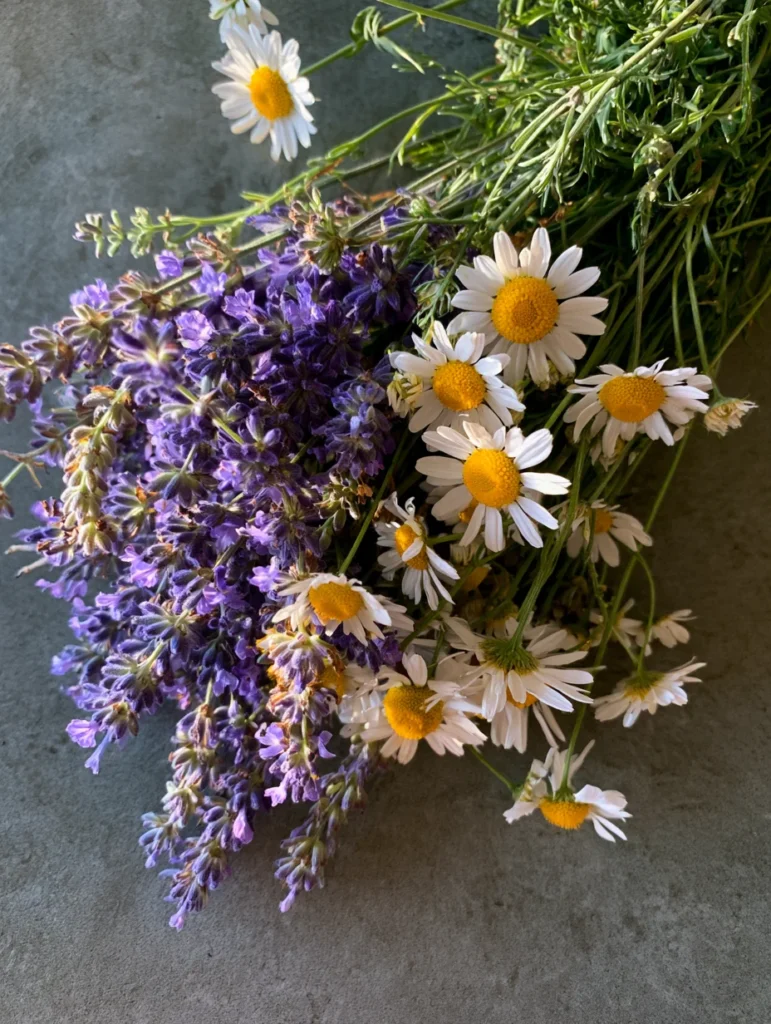
The Role of Chemistry and Individual Experience
Lavender’s linalool and linalyl acetate are often discussed as possible contributors to its calming profile. However, laboratory findings, traditional use, and clinical evidence represent different kinds of knowledge. Dose, concentration, duration, and inhalation method can alter outcomes, and personal expectations may influence perceived calm through placebo-related effects. Aromatherapy research is best interpreted as an interaction among scent chemistry, sensory processing, physiology, and individual experience.
Lavender vs. Chamomile: What the Research Shows
While both are familiar floral aromas used to create a calming atmosphere, they are not supported by identical research.
- Lavender: Studied more frequently in relation to relaxation, perceived anxiety reduction, and sleep quality. Its gently herbaceous scent has been associated with lower subjective tension and changes consistent with reduced sympathetic arousal. These findings are promising but variable, and do not establish lavender as a medical treatment for anxiety or insomnia.
- Chamomile: Traditionally linked with soothing preparations and bedtime rituals, its aroma is often described as soft, sweet, and apple-like. However, evidence specifically examining inhaled chamomile aromatherapy is more limited and mixed than the evidence for lavender.
How Researchers Measure Calm
Researchers evaluate possible physiological effects using several objective measures rather than relying on scent preference alone. These include:
- Resting heart rate and blood pressure
- Breathing rate and pattern
- Skin conductance
- Self-reported stress and standardized sleep questionnaires
Because these measures fluctuate naturally, a practical choice is to select the aroma that feels most pleasant to you. Choose lavender for a familiar, gently herbal bedtime cue, or chamomile for a softer, apple-like floral impression.
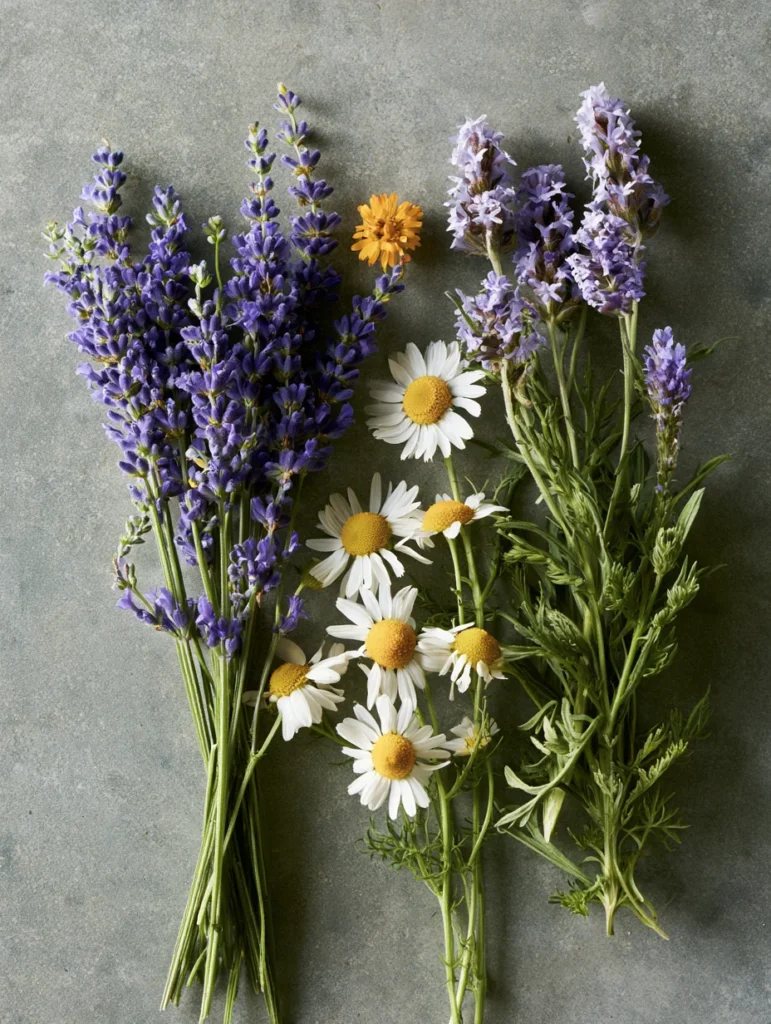
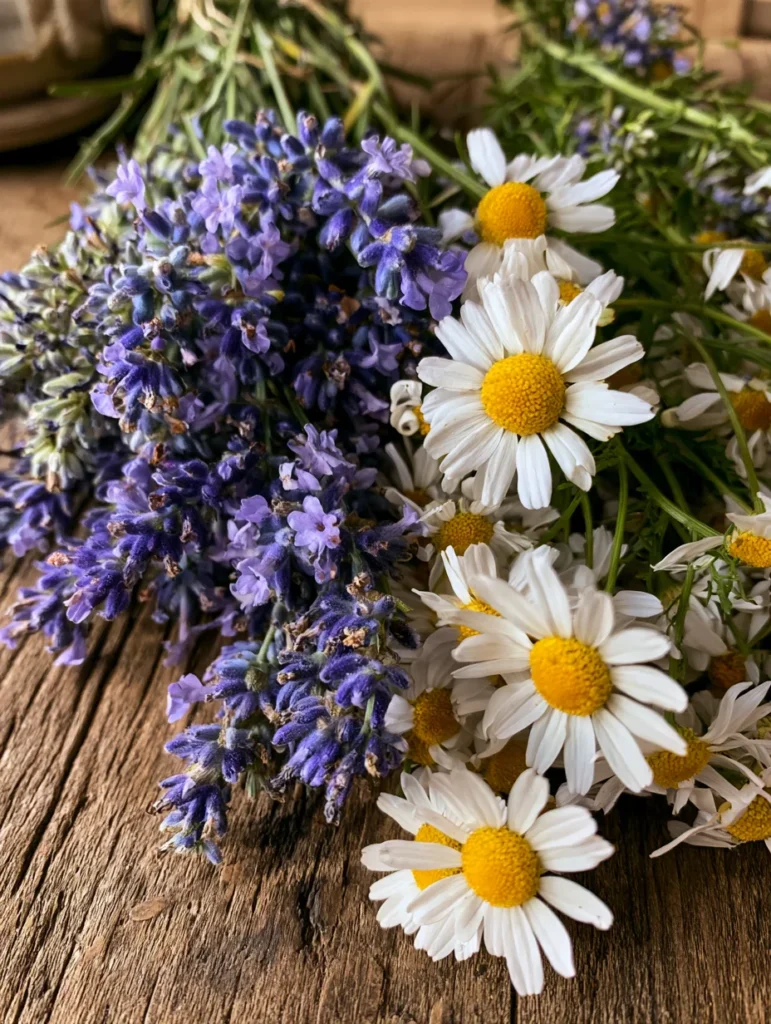
Creating a Gentle Bedside Ritual
A single fresh lavender or chamomile stem can introduce a gentle floral scent into a nighttime routine without making aromatherapy the central sleep strategy.
- Use a Single Stem: Place one stem in a small, clean bedside vase with fresh water. The limited plant material provides a subtle natural aroma, which is often less overwhelming than a diffuser, scented candle, or concentrated oil.
- Position Carefully: Keep the vase far enough from the face to reduce the chance of nasal or skin irritation. Refresh the water regularly and remove wilted leaves promptly.
- Pair with Sleep Hygiene: Use the bouquet as a consistent sensory cue. When the stem is placed beside the bed, dim the lights, reduce screen exposure, and prepare a cool, quiet room. Pair the scent with a regular bedtime and wake time.
Note: These established sleep habits remain more important than the floral aroma itself.
Safety, Tracking, and Precautions
Individual responses vary, so it is helpful to monitor how the ritual affects you.
Keeping a Sleep Log
Record the following to identify whether the ritual is useful:
- The flower used and perceived scent intensity
- Bedtime and relaxation level
- Nighttime awakenings and morning alertness
Important Safety Guidelines
- Listen to Your Body: Stop using the bouquet if it causes headaches, sneezing, congestion, skin irritation, coughing, or breathing discomfort.
- Respiratory Conditions: People with allergies, asthma, or fragrance sensitivity should exercise particular caution and seek professional advice first.
- Household Safety: Keep fresh flowers away from children and pets, and place them well away from open flames or heat sources.
- Fresh vs. Essential Oils: A fresh stem is very different from an essential oil. Oils are far more concentrated and can present greater risks through inhalation, skin contact, or ingestion.
Consult a healthcare professional about persistent insomnia, significant blood-pressure concerns, or any adverse reaction. Used carefully, a bedside bouquet is a gentle sensory ritual that may complement, but should not replace, sound sleep hygiene.
Develop a deeper relationship with yourself — mind, body, and identity. Reconnect with your truth, your boundaries, and your desire.
