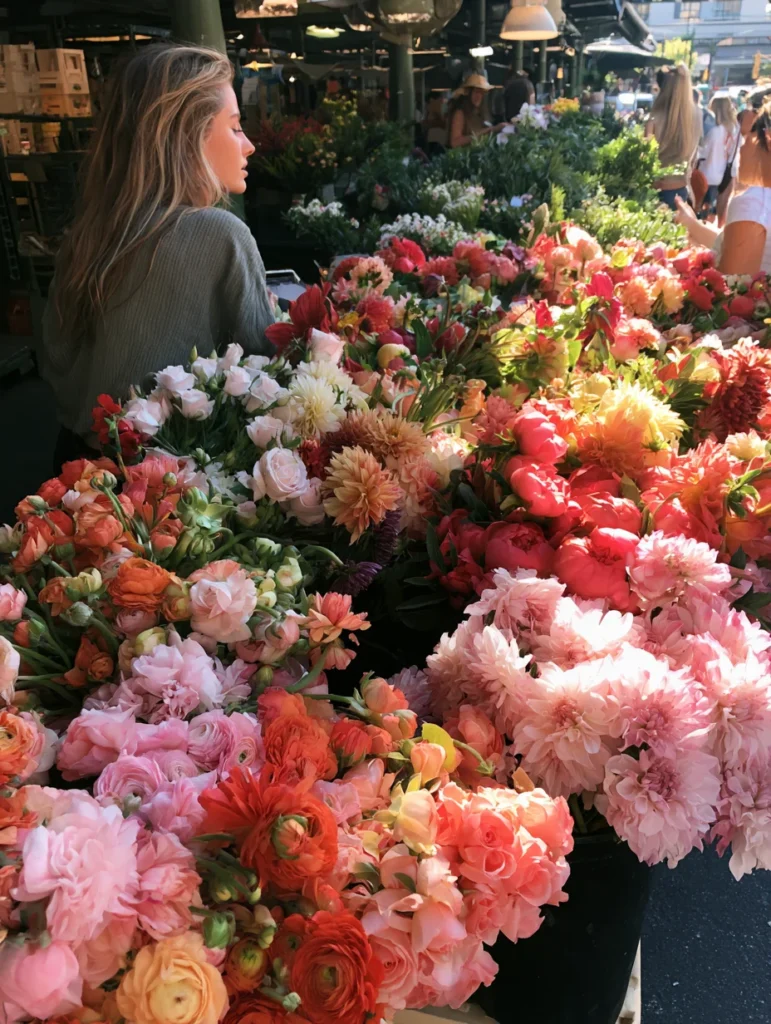
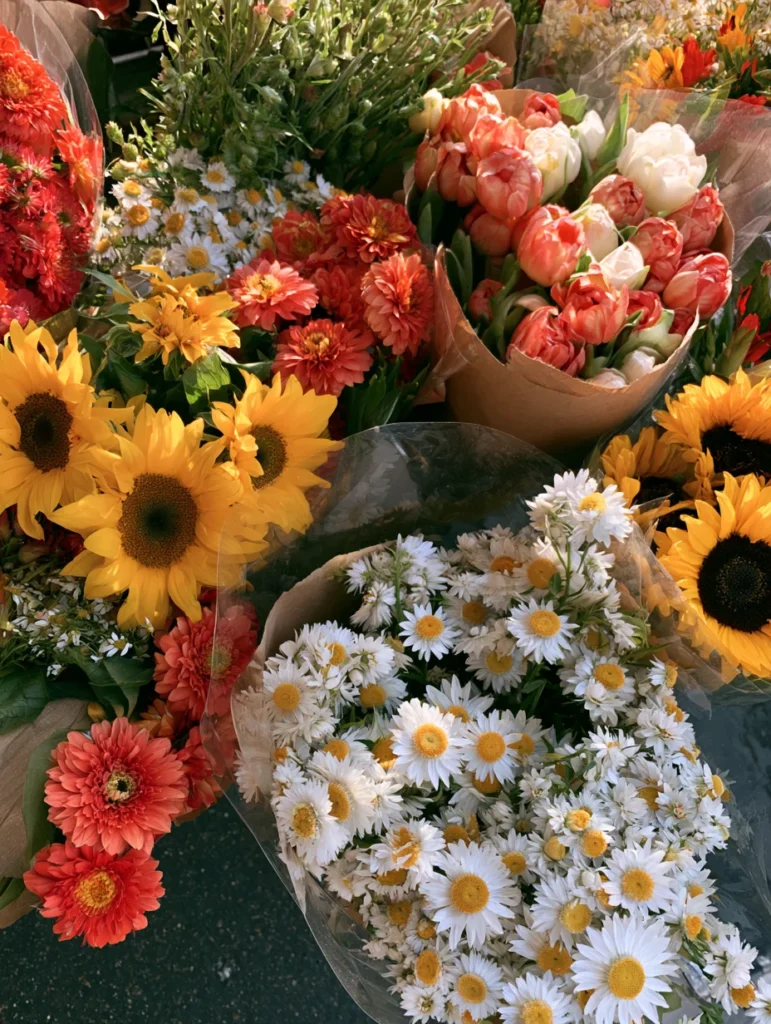
Can one trip to a flower market genuinely shift the emotional tone of a difficult mental-health week? It can, although its effect is best understood as a small, accessible mood-supporting ritual rather than a cure for depression, anxiety, or any other condition. A change of setting may create enough distance from familiar pressures to make the next hour feel different, even when larger problems remain unresolved.
Leaving the usual environment introduces gentle novelty. Rows of vivid colors invite the eyes to move, while the natural fragrances of foliage and blossoms provide a welcome contrast to screens, traffic, or an unchanging room. Touching stems, examining leaves, and noticing differences in shape encourage attention to immediate sensory details. These experiences may interrupt repetitive thinking, not by forcing difficult thoughts away, but by giving the mind something concrete and present to observe.
Selecting flowers also creates a manageable decision-making task. Choosing between colors, textures, and heights offers a modest sense of agency without demanding complicated planning. The reward is immediate and tangible: a bundle that can be carried home and arranged.
Note: This practice is complementary to, not a replacement for, qualified care. Anyone experiencing persistent, severe, or worsening mental-health symptoms should seek support from a mental-health professional or another appropriate healthcare provider.
The Science of Flowers and Mood
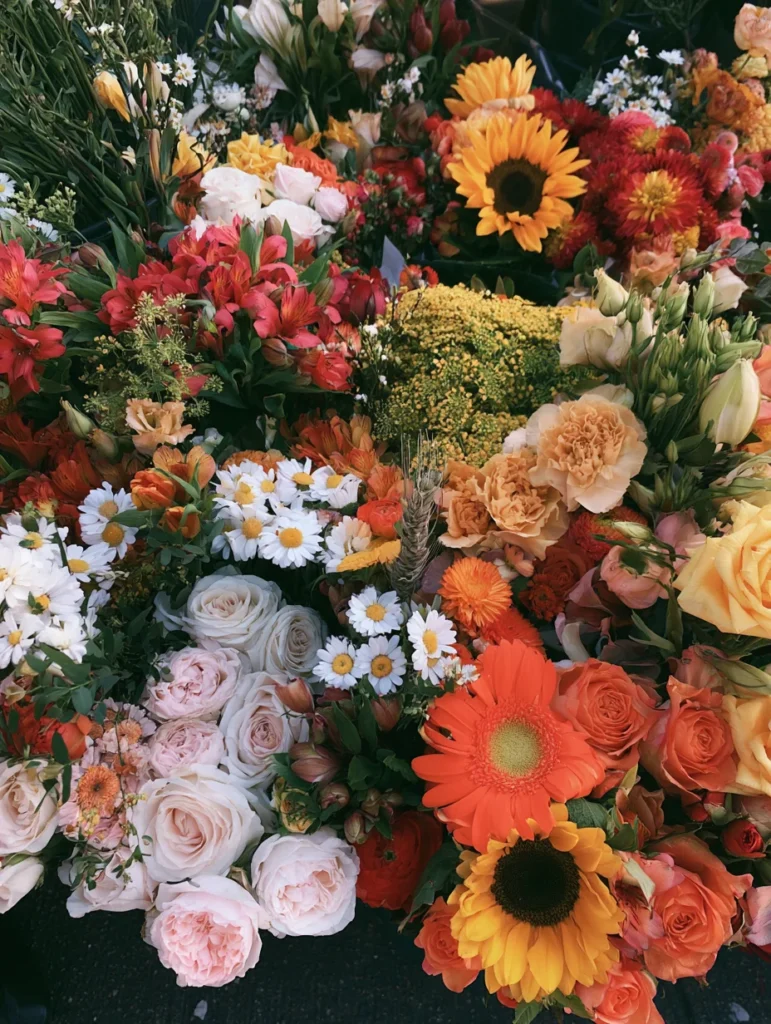
Flowers can influence emotion through several overlapping sensory and psychological pathways. While a bouquet should not be treated as medication, it can create conditions that support positive emotion, attention, and calm.
- Dopamine: Involved in motivation, reward, and learning. Noticing a pleasing arrangement can contribute to interest, satisfaction, or a brief lift in mood, potentially supporting pleasurable responses.
- Serotonin: Participates in wider systems related to mood, sleep, and emotional regulation. While flowers should not be described as directly raising serotonin levels in a clinically reliable way, the pleasant environment they create supports overall well-being.
- Oxytocin: Relevant less as a direct chemical effect and more as part of experiences involving warmth, comfort, trust, and nurturing. Caring for a living plant or admiring flowers with another person can encourage social connection and gentle caregiving.
- Attention Restoration: Natural forms can help restore directed attention after mental effort, potentially reducing the sense of cognitive fatigue. Fragrance may evoke pleasant memories, while a vase of flowers creates a positive visual cue in a stressful environment.
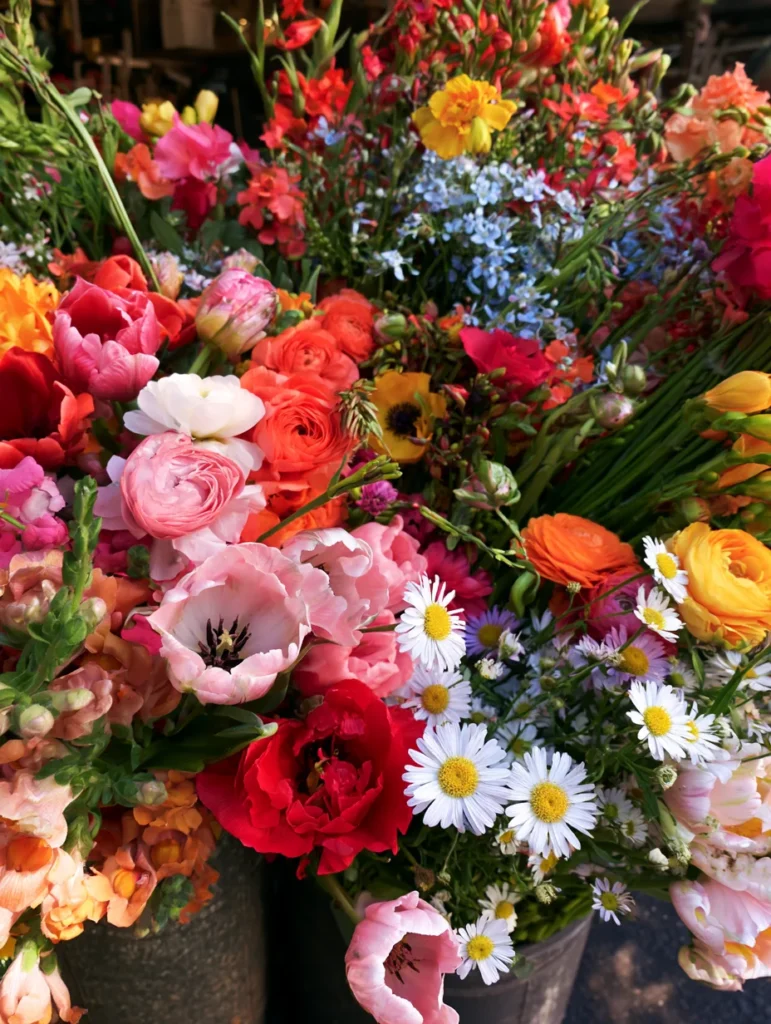
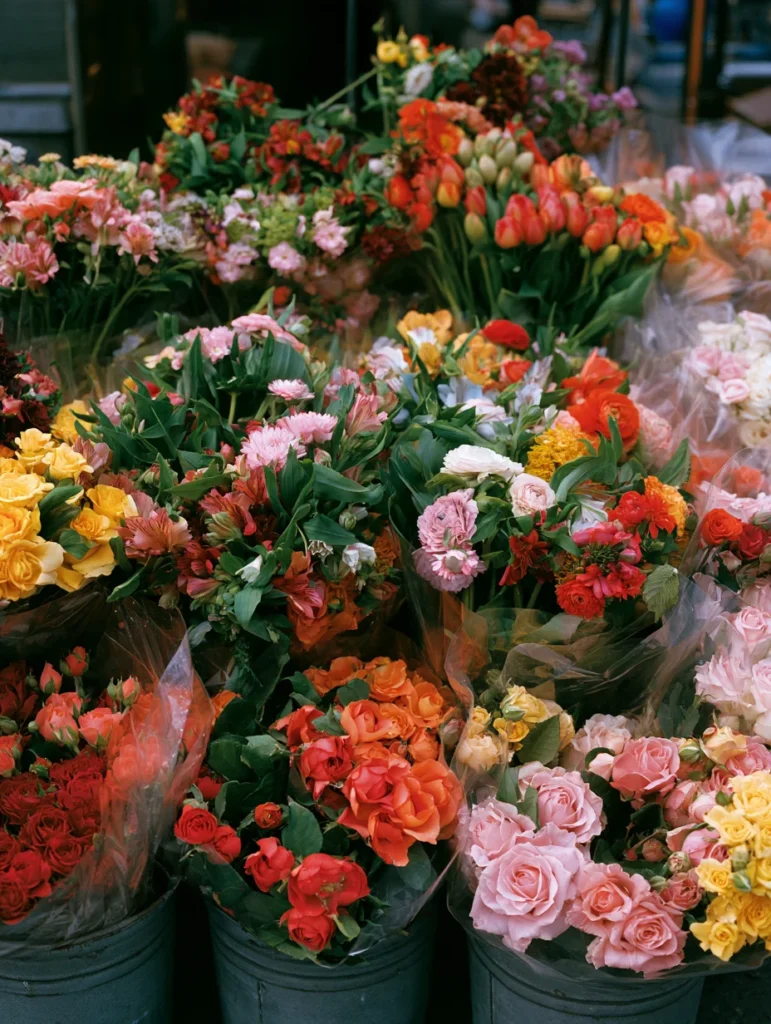
A Simple Mindfulness Exercise
A brief pause with a flower can offer the mind a change of pace during a demanding week. Looking closely at natural details shifts attention from lists, screens, and unresolved concerns toward a single sensory experience.
To try a simple observation exercise:
- Place one bloom at eye level and sit comfortably for three to five minutes.
- Notice its overall outline and the differences between its colors.
- Follow the spiral formed by the petals, then observe shadows, edges, and texture.
- When thoughts wander, acknowledge them without judgment and return attention to your breathing or to the flower’s details.
A calming response may appear as slower breathing, relaxed shoulders, less mental urgency, or a stronger awareness of the present moment. There is no need to feel dramatically happier for the practice to be useful.
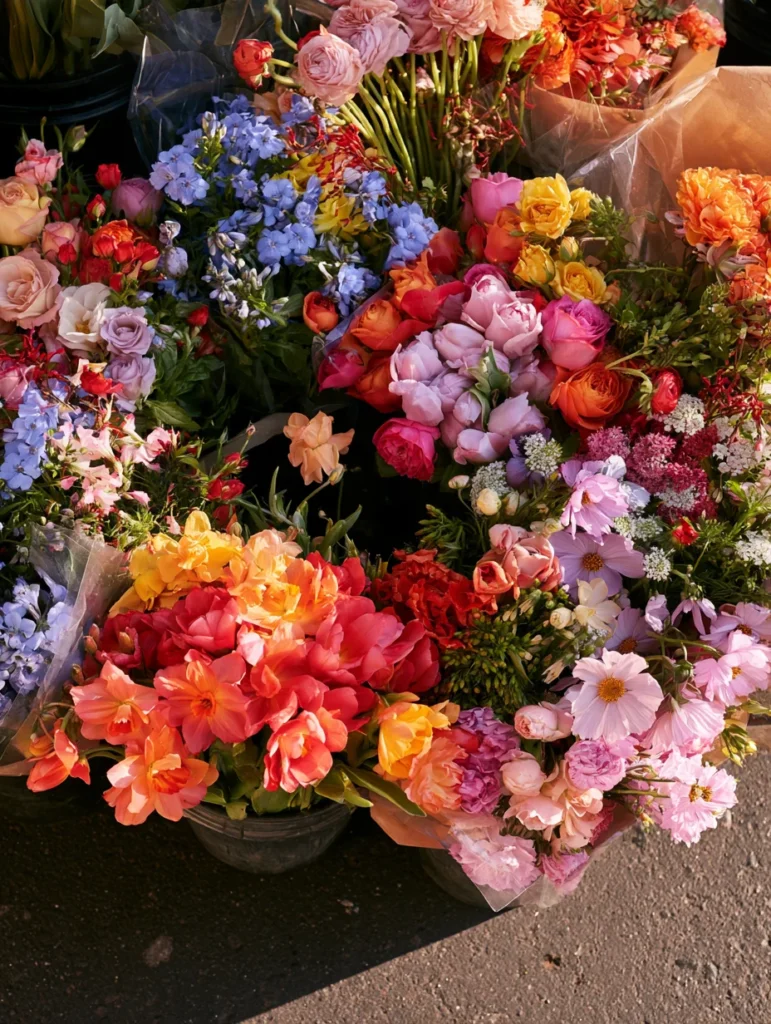
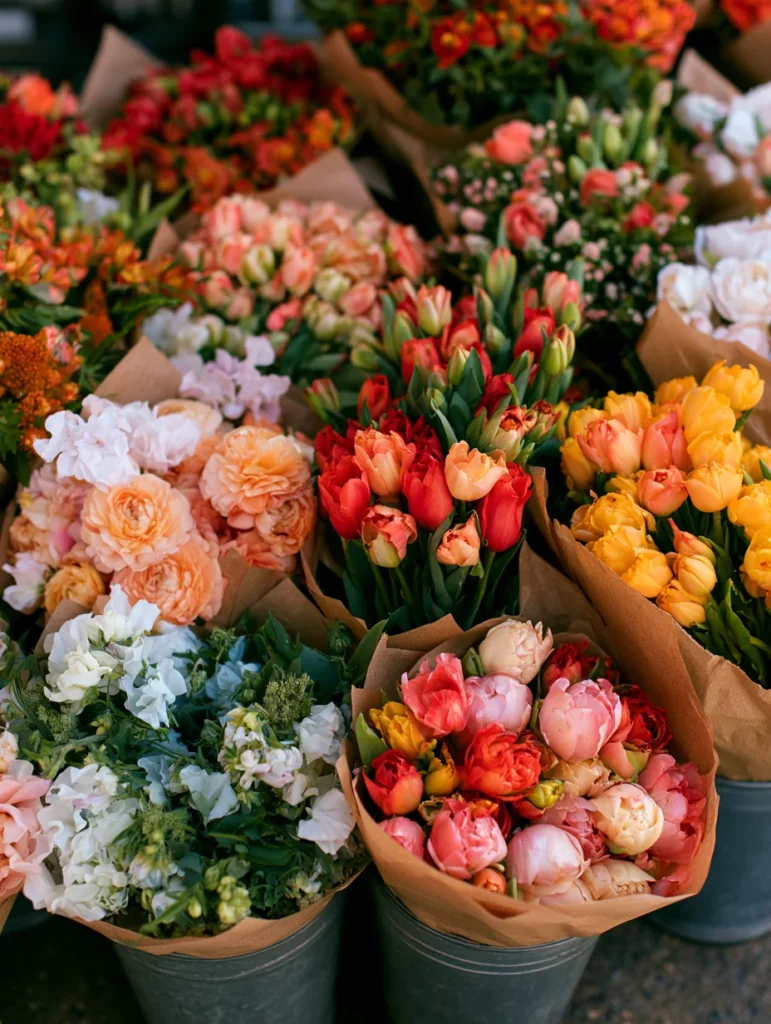
Designing Your “Happiness Arrangement”
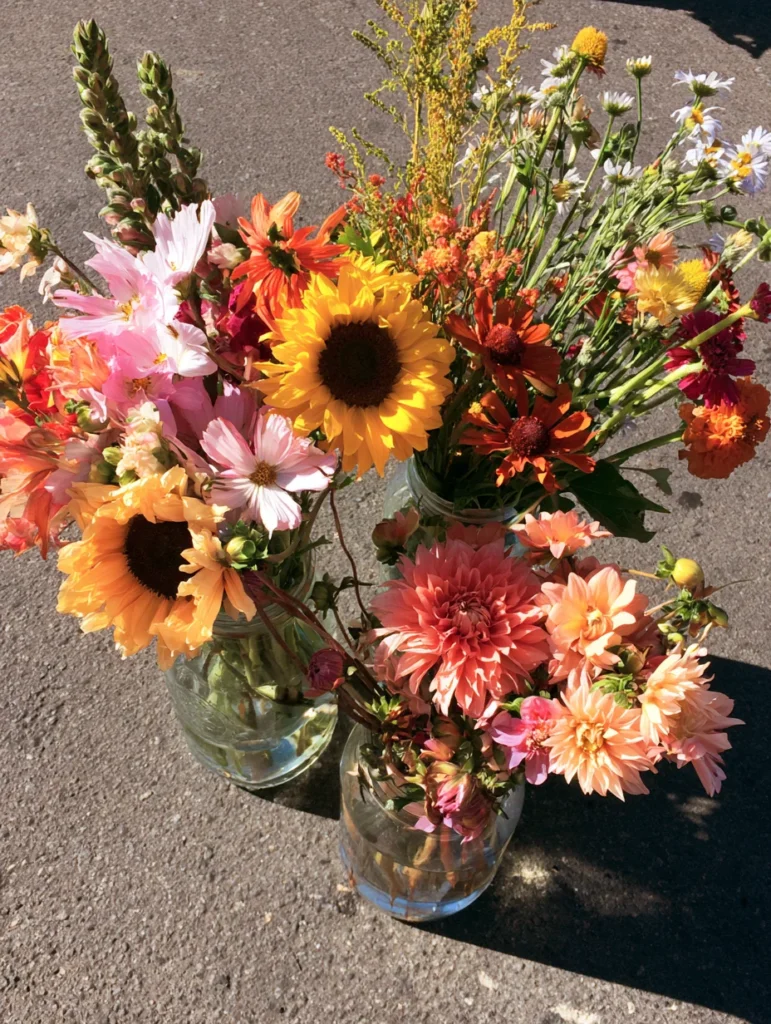
This deliberate looking can become part of arranging flowers. Instead of selecting and placing blooms automatically, pause before each choice and observe how its form, color, and position affect the whole arrangement. Flower selection then becomes a brief mindfulness ritual as well as a creative decision.
Choosing the Location and Materials
Begin with the purpose and location. Choose a visible place on the kitchen counter, such as beside the coffee maker or near the sink, where the arrangement will meet your eyes during ordinary routines. Keep the vase away from ovens, radiators, direct harsh sunlight, and food-preparation hazards. If any flowers are toxic to pets or children, place them somewhere inaccessible.
Gather the following:
- One visually distinctive focal flower
- Two or three supporting blooms
- Airy filler or foliage
- A clean vessel
- Sharp scissors or floral snips
- Fresh water
Let the mood guide your palette. Choose colors that feel energizing, comforting, or hopeful to you, then combine one dominant hue with a contrasting accent. Mixing shapes also adds life: pair rounded blooms with pointed spikes, open faces, or delicate, branching stems so the display does not look flat.
Preparing the Stems
Proper preparation helps the flowers drink efficiently and keeps the arrangement fresher for longer.
- Wash the vase thoroughly and fill it with fresh water.
- Strip away every leaf that would sit below the waterline, since submerged foliage can encourage bacterial growth.
- Cut each stem at an angle with a clean, sharp tool, and place the flowers in water promptly.
Building the Design
- Create a framework: Start by creating a loose framework with foliage, allowing a few stems to extend naturally beyond the vessel.
- Establish the focal point: Place one focal bloom slightly above or forward of the others.
- Add supporting flowers: Add the remaining blooms at varied heights.
- Fill the gaps: Tuck lighter-textured filler into open spaces without packing the arrangement too tightly.
- Check the angles: Rotate the vase as you work, checking the angles most often seen from the kitchen. Keep the scale appropriate for the counter, and make it low enough not to obstruct conversation or meal preparation.
Ongoing Care and Intention
Refresh the water regularly, recut the stems every few days, and remove fading blooms promptly. Treat this care as a brief pause for attention rather than another chore.
Give the arrangement an intention—such as bright, steady, or gentle—and judge its success by whether an ordinary pause in the day feels slightly more pleasant.