
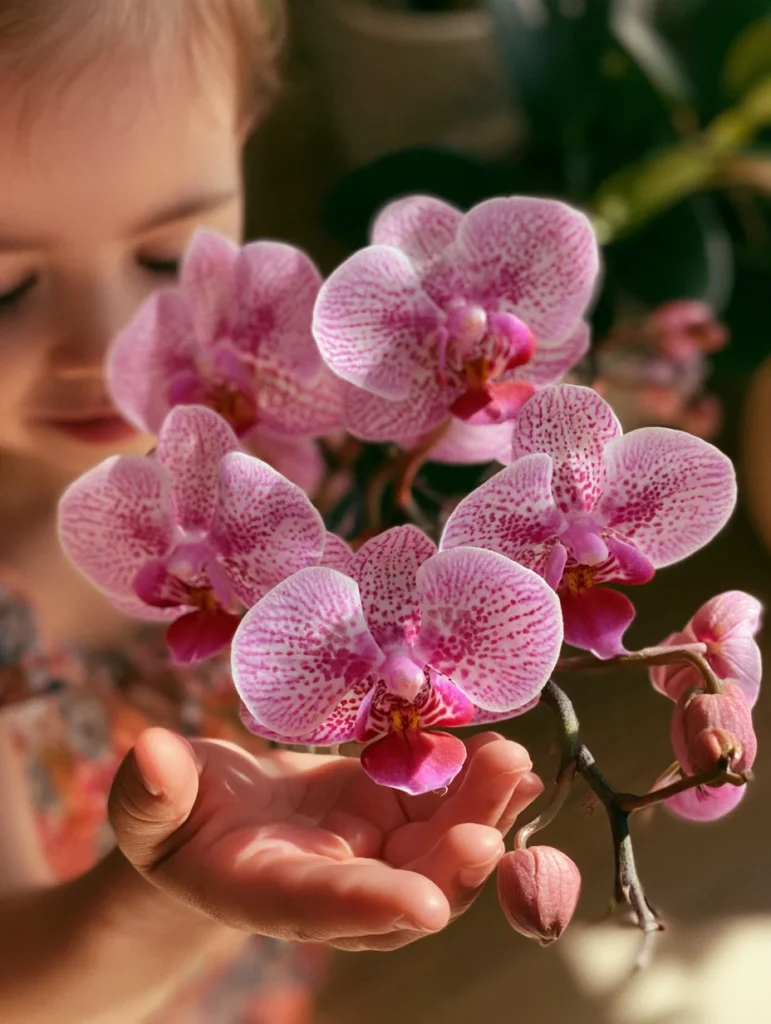
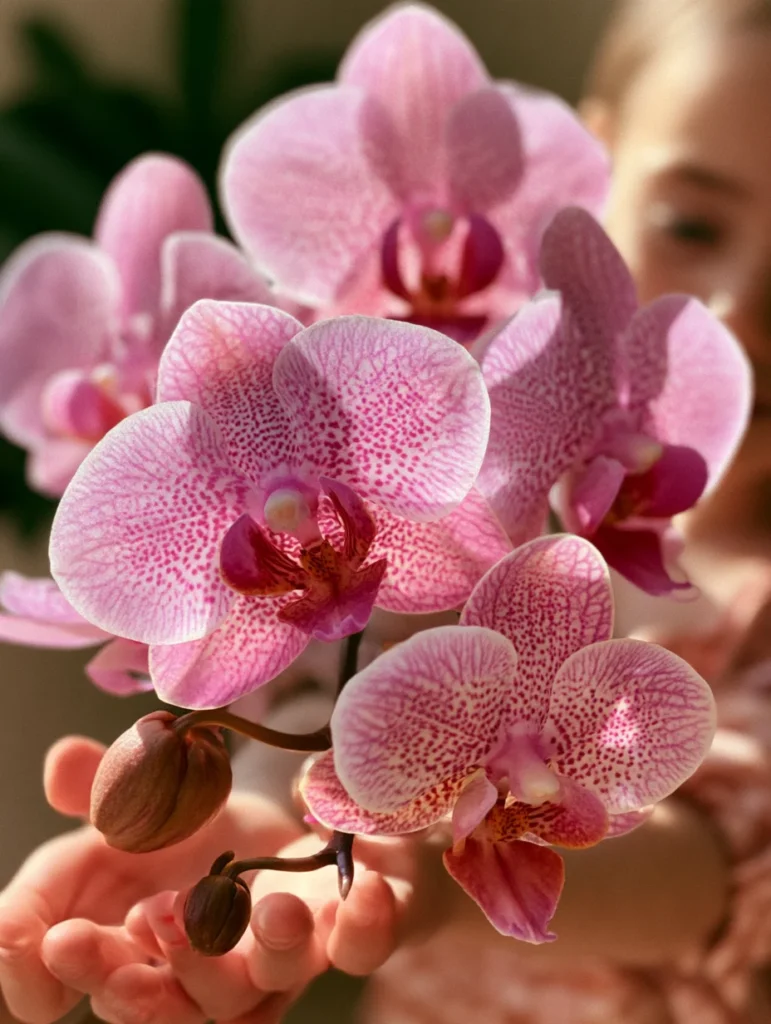
Natural environments can offer children a form of sensory support that feels engaging without requiring sustained mental effort. Greenery, colorful blooms, organic shapes, and changing textures create visual and tactile variety while remaining less structured than a screen, worksheet, or busy classroom. Together, these features can help reduce tension, regulate energy levels, and make it easier for a child to settle before an activity that requires concentration.
The Benefits of Nature for Children’s Focus
Plant-based activities provide practical opportunities to strengthen attention skills, particularly for children with ADHD or other attention differences.
- Attention Restoration: After focusing on lessons or problem-solving, children need a brief change in the type of attention being used. Quietly observing leaves or watering a plant encourages relaxed attention rather than intense analysis, helping them return to tasks feeling more mentally available.
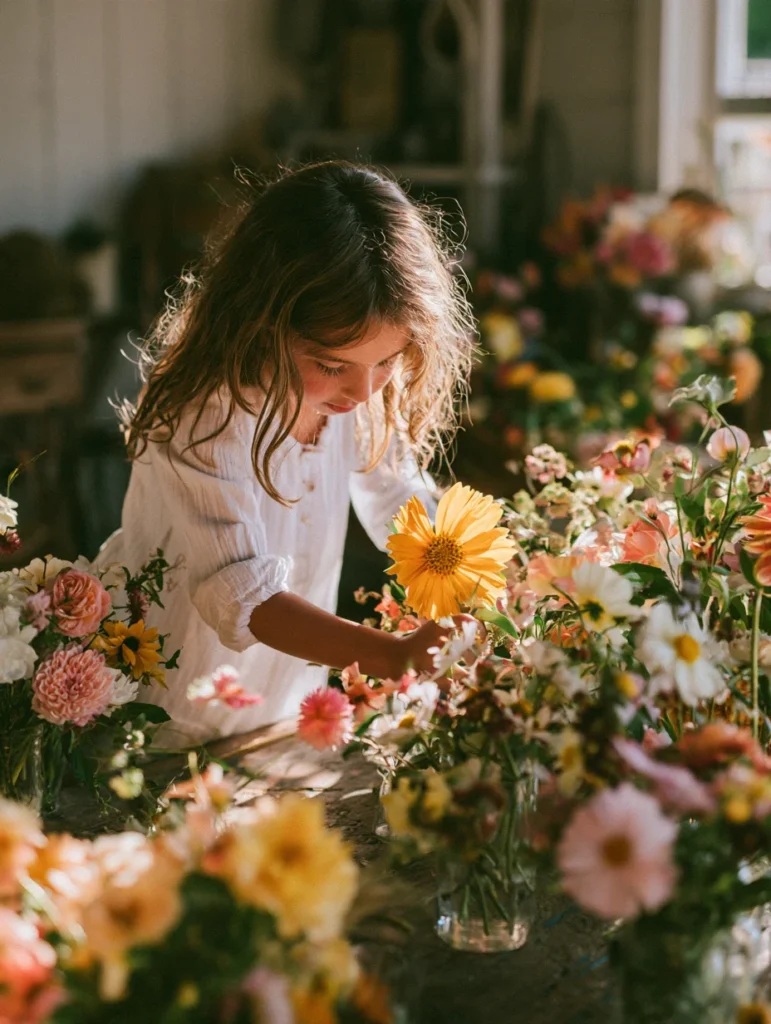
- Structured Engagement: Activities like arranging flowers combine movement, sensory exploration, clear goals, and immediate feedback. This allows children to shift positions and use their hands while anchoring their attention to a concrete, visible project.
- Sensory Regulation: Gentle floral scents and varied textures can contribute to a calming atmosphere, helping to regulate energy levels and reduce environmental tension.
Important Considerations and Safety Guidelines
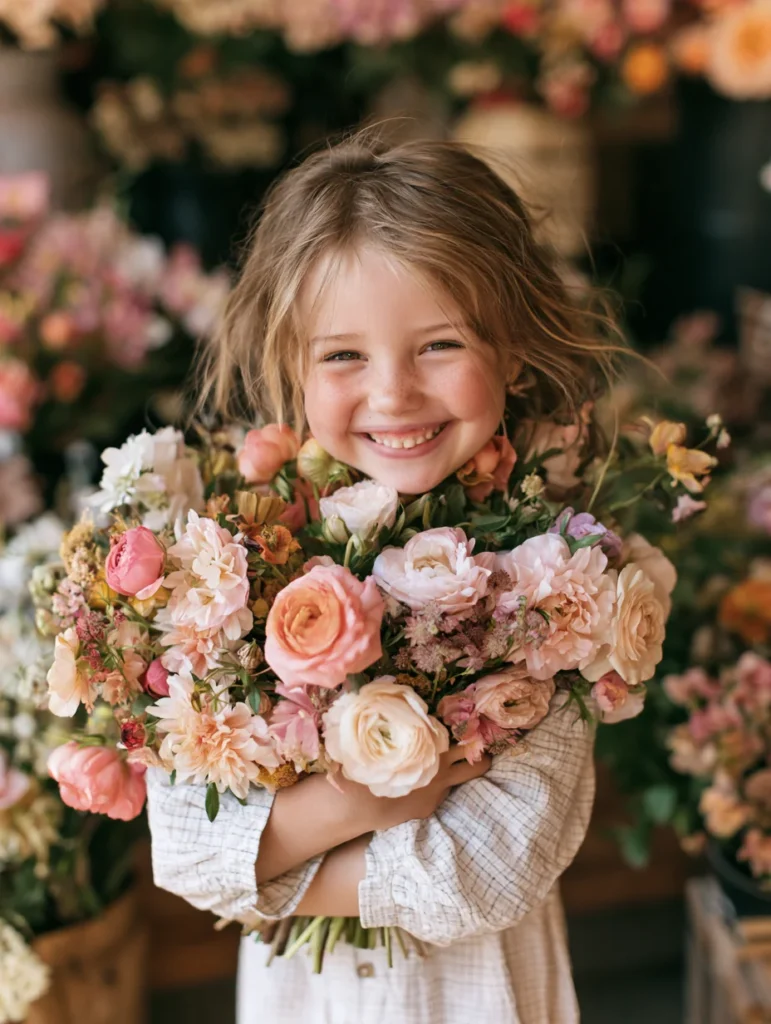
Floral therapy should be understood as a supportive wellness activity, not a replacement for professional care, school accommodations, behavioral strategies, or evidence-based ADHD treatment. Responses vary considerably; a scent that calms one child may irritate another, and vivid colors or dense arrangements may feel overwhelming to some.
To ensure a safe and positive experience, follow these guidelines:
- Introduce Gradually: Start with a simple, low-pressure experience, such as caring for one familiar plant, and observe the child’s reactions.
- Prioritize Safety: Use child-safe tools. Avoid sharp floral wire and fragile glass. Supervise the use of scissors and water closely.
- Check for Toxicity: Verify that all plants are non-toxic. Avoid strongly scented flowers if sensitivities are possible.
- Maintain Hygiene: Ensure children wash their hands after handling soil, water, or plant material.
- Adapt to the Child: Tailor activities to the child’s age, motor abilities, sensory preferences, allergies, and attention span. Some may prefer larger stems, gloves, or a quieter workspace.
Practical Floral Activities to Build Focus
Flower arranging can become a quiet, purposeful activity when children are given simple choices and plenty of time. Focus may develop gradually, so success might initially mean completing just one step or waiting briefly.
1. The Simple Arrangement
- Setup: Provide a small group of sturdy, non-toxic flowers (such as snapdragons, marigolds, or sunflowers) and a wide, stable container.
- Process: An adult can prepare the workspace and demonstrate how to hold one stem. Invite the child to choose where it belongs.
- Mindfulness: Before selecting a flower, encourage one slow breath. Ask, “What color, shape, or texture do you notice?” rather than focusing on whether the arrangement looks “right.”
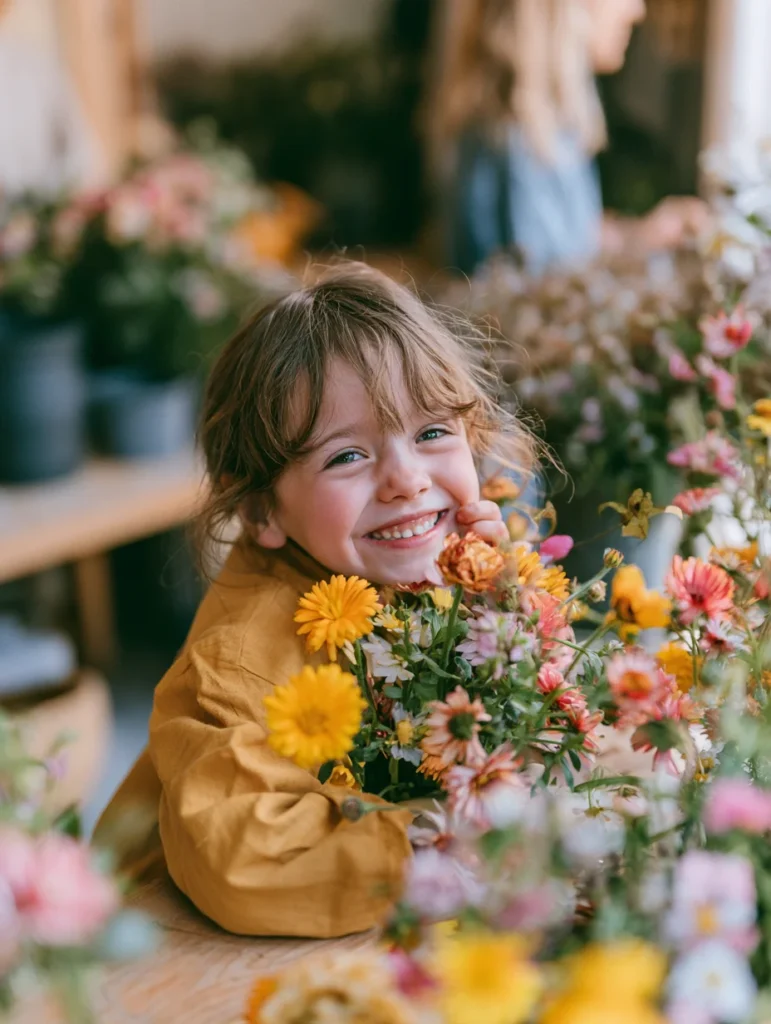
2. Color-Based Grouping
- Setup: Set out flowers in two or three distinct colors.
- Process: Let the child group similar shades or combine contrasting ones. Model one step at a time: choose a color, compare two stems, and place one gently in the container.
- Language: Use descriptive, non-judgmental language. Reinforce that different arrangements are equally acceptable and that noticing a firm stem or soft petal is a success.
3. The “One Flower” Observation
- Setup: Provide clean, recycled jars and individual blooms.
- Process: Have the child select one flower each day to create a simple display.
- Observation: Encourage them to describe a new petal, a change in the water, or a stem bending toward the light. This can be expanded to include responsibly gathered leaves, grasses, and twigs to compare weight, length, and texture.
Long-Term Planting Projects
Planting projects extend the calming benefits of floral therapy into everyday life, creating a familiar place for a child to return to. Because plants change gradually, regular care teaches patience without requiring lengthy, continuous concentration.
Manageable Steps for Success
- Preparation: Let the child help prepare the soil, place seeds at the appropriate depth, and label each container with the plant’s name and date.
- Routine Care: Assign one clear responsibility, such as watering one specific cup with a measured amount of water.
- Tracking: Use a visual care chart to show when to check the soil, and a short timer to define the task’s beginning and end. Children can record changes through drawings, stickers, or simple measurements (e.g., counting leaves or measuring stem height).
Fostering Patience and Emotional Connection
Plant care can also become an opportunity for emotional check-ins. Before and after the activity, an adult might ask how the child’s energy feels, whether their body feels settled, or what they noticed while caring for the plant.
- Celebrate the Process: Positive reinforcement is most effective when it emphasizes effort: “You followed each step,” “You noticed that the leaf changed,” or “You kept working when the stem was difficult.”
- Allow Flexibility: If the child becomes restless, frustrated, tired, or uncomfortable, the task can be shortened or paused.
The ultimate purpose is not a perfect bouquet or a flawless garden. It is the patient, rewarding experience of choosing, observing, adjusting, and developing a calming, engaging relationship with nature.
