
The Psychology of Floral Choice: How Flowers Reflect Our Emotions
During the Victorian era, flowers were often treated as a coded language. This practice, known as floriography, assigned particular meanings to individual blooms, allowing people to communicate sentiments that social conventions made difficult to state directly. A rose, violet, lily, or marigold could supposedly convey love, modesty, purity, grief, or disappointment, depending on the flower, its color, and even the way it was presented.
While these codes offer a fascinating historical framework, they were never entirely universal or fixed. Today, modern flower choice is less concerned with decoding a secret message and more concerned with emotional projection.
Flowers as Reflective Self-Expression
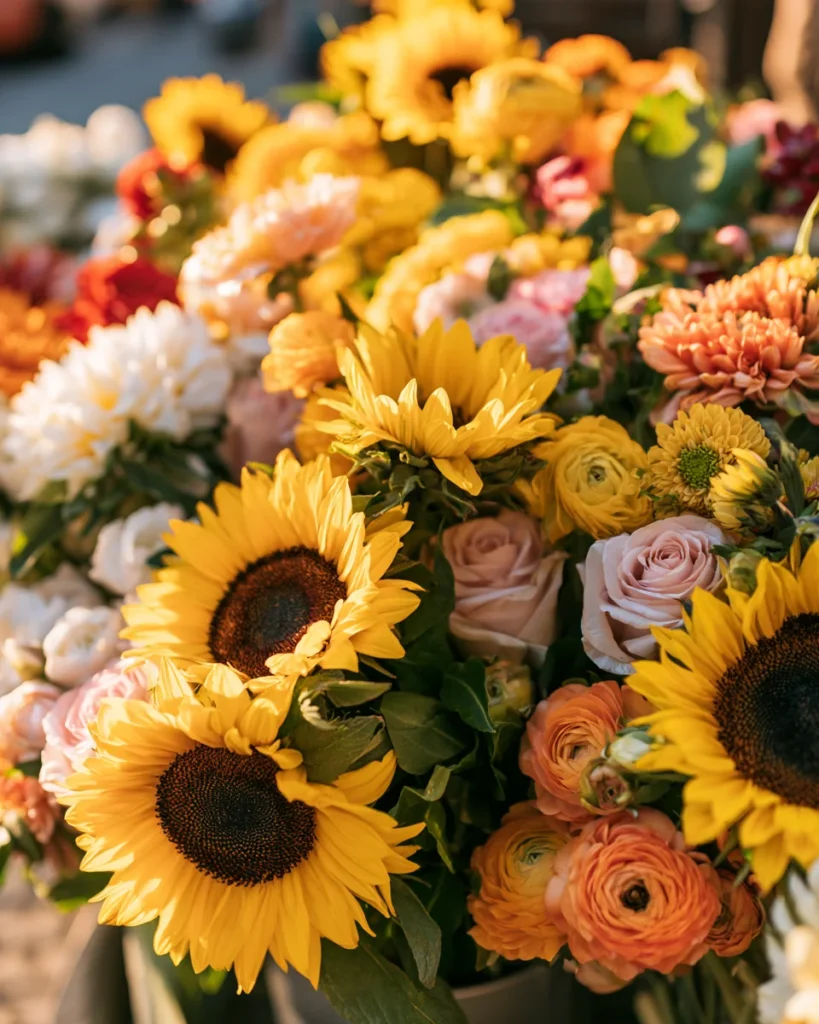
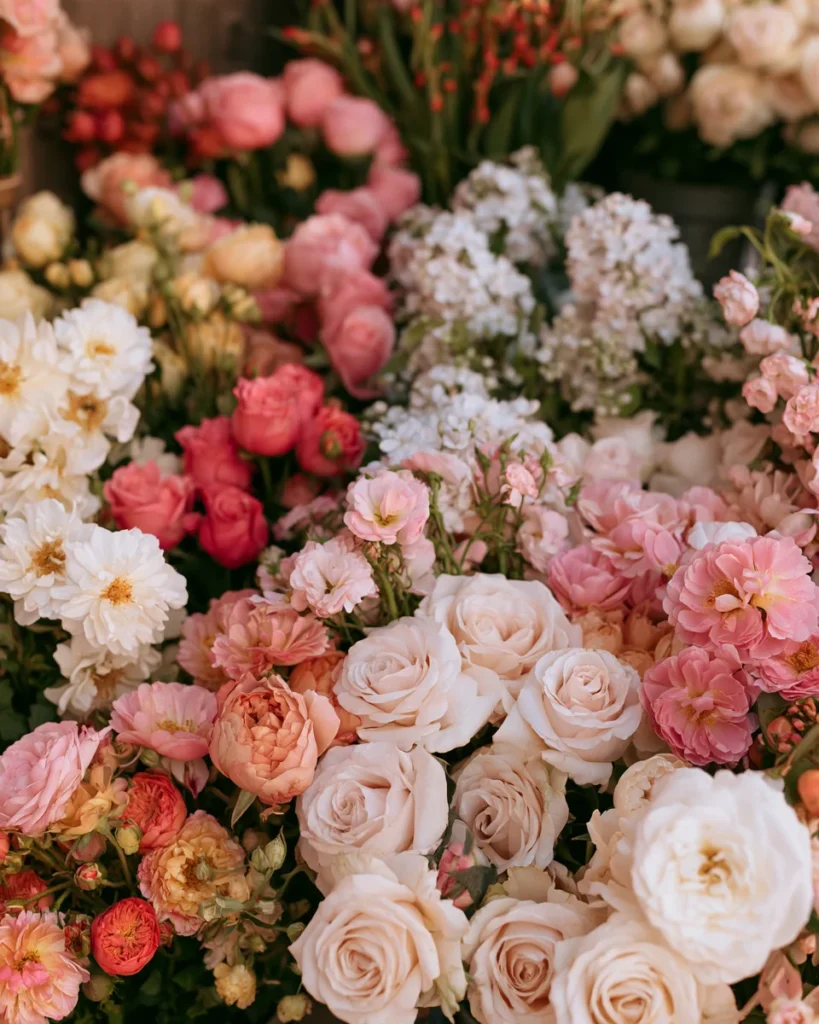
In modern contexts, flowers become a visual language for feelings that are not always easy to articulate. Preference does not provide a definitive personality diagnosis, nor does choosing a certain bloom prove that someone possesses a specific trait. Instead, it may reveal:
- A current mood or emotional state
- A quality a person deeply admires
- A meaningful memory or nostalgic connection
- The emotional environment they hope to create
Floral style is best understood as reflective self-expression: a meeting point between aesthetics, instinct, memory, and lived experience. When someone is drawn to a particular bloom, that attraction may say less about a permanent identity than about what feels significant at that exact moment. Examining these choices invites curiosity rather than judgment.
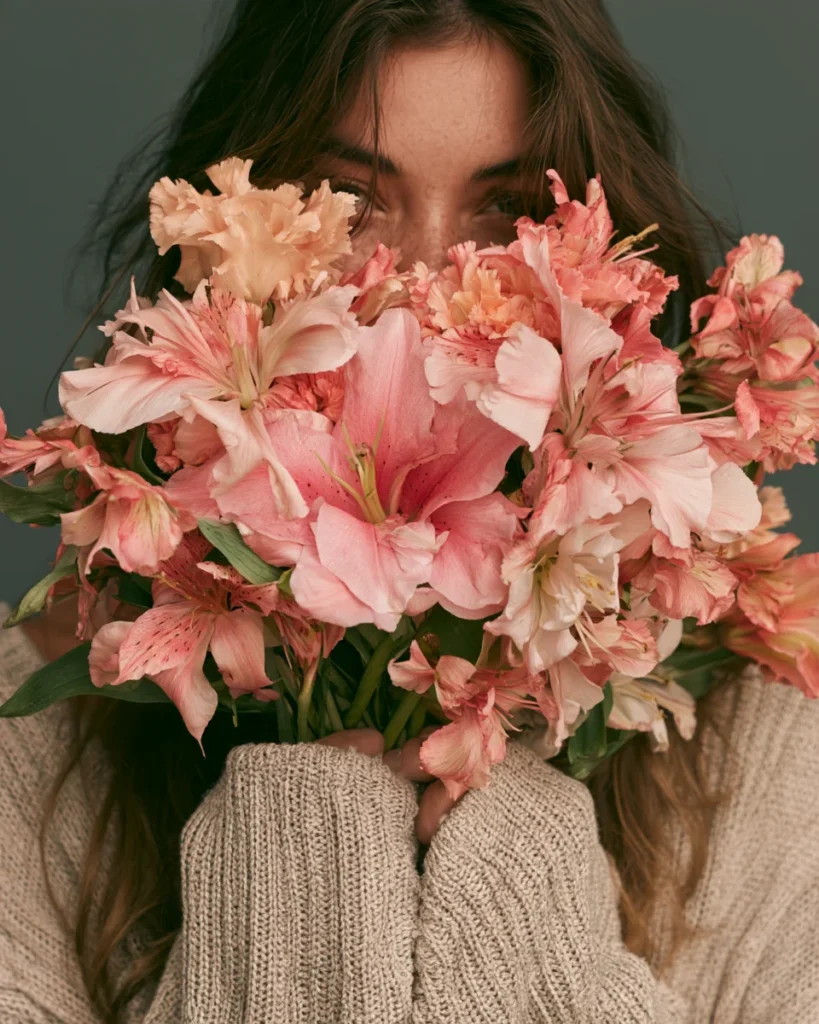
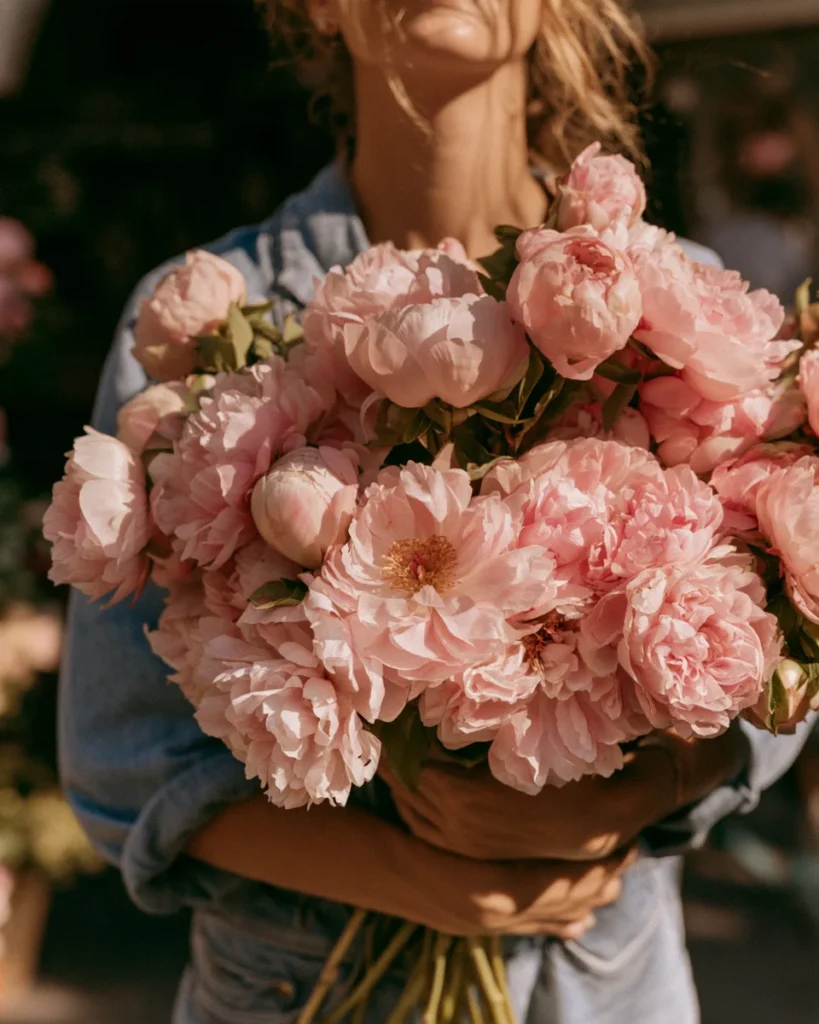
Decoding Common Floral Styles
While not a fixed personality test, the flowers someone selects often reveal the atmosphere they enjoy or the feelings they hope to invite into a room.
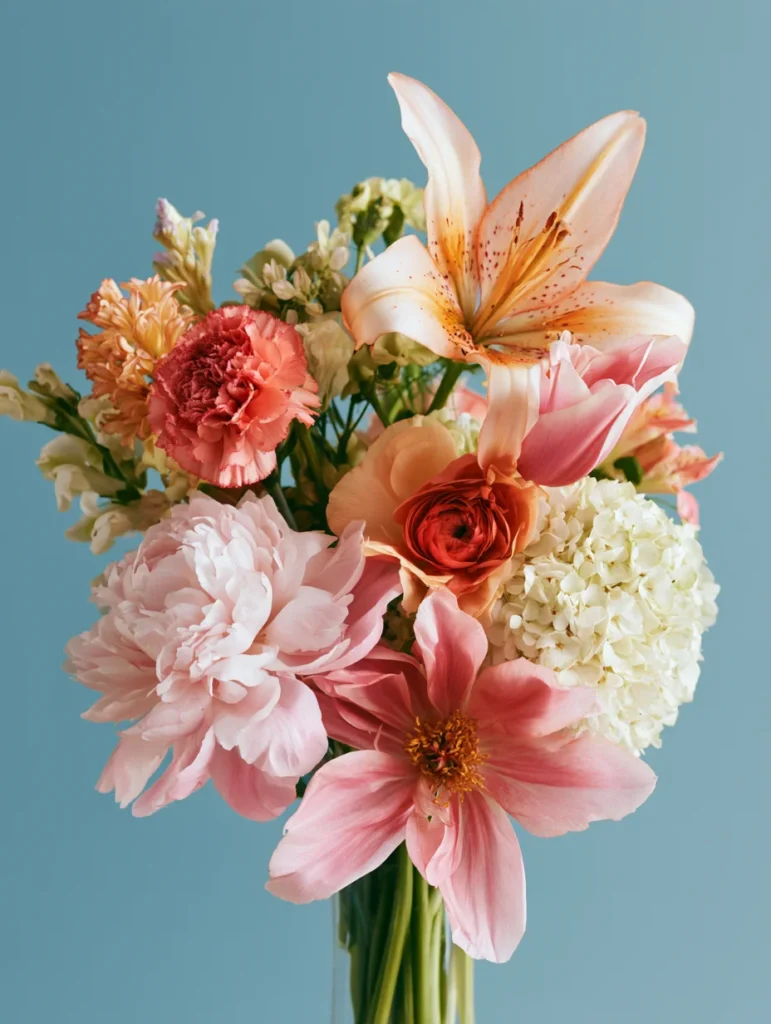
- Wild, Loose Garden Roses: Often appeal through romantic abundance rather than perfect uniformity. Their layered petals and relaxed shapes can suggest a fondness for spontaneity, nostalgia, softness, and natural freedom. They attract those who value warmth or find comfort in the beauty of imperfection.
- Structured Orchids: Offer a contrasting aesthetic. Their symmetry, architectural form, and notable longevity appeal to those who appreciate order, clarity, sophistication, and control. Their composed appearance can provide a sense of stability when life feels uncertain.
- Bright Sunflowers: Evoke optimism, openness, and warmth.
- Delicate Wildflowers: Suggest ease, humility, or a wish for simplicity.
- Dramatic Lilies: Express intensity and bold presence.
- Minimalist Greenery: Supports spaciousness and mental clarity.
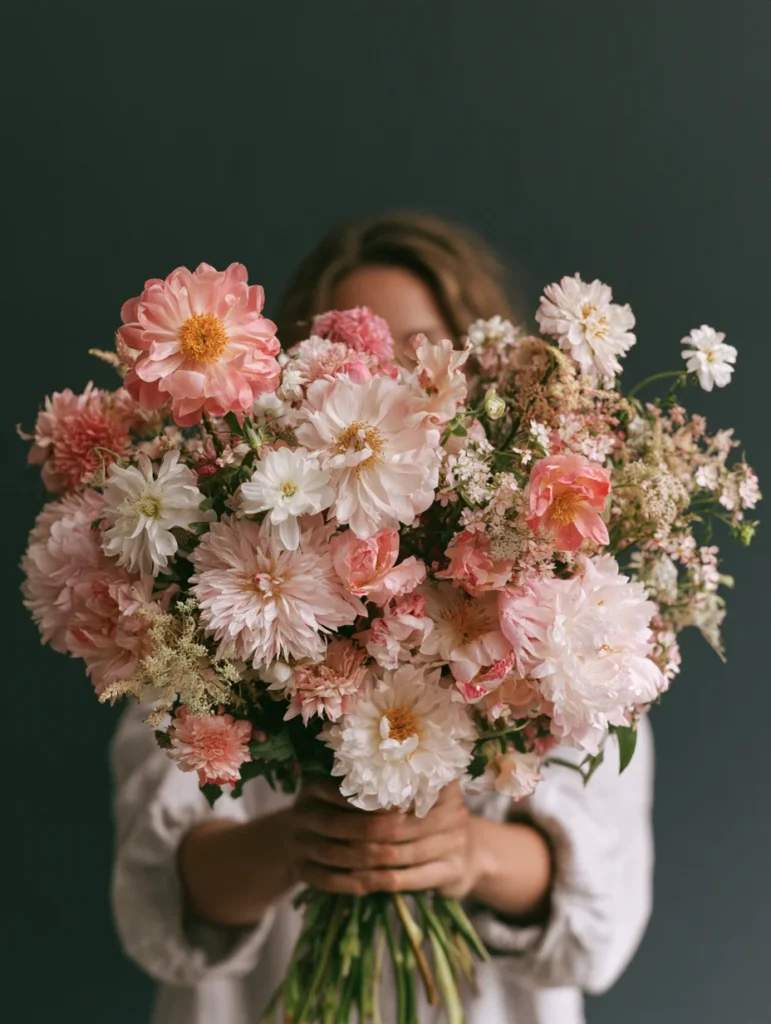
- Richly Colored Dahlias: Reflect a desire for depth, vitality, or creative abundance.
When considering a favorite flower, it is useful to ask which qualities are most compelling and whether the arrangement represents a permanent personal identity or the way one currently wants to feel.
Flowers During Life Transitions and Hardship
Emotionally intense periods often change the way people choose flowers, turning them into a manageable, sensory form of emotional processing.
Navigating Grief and Bereavement
During bereavement, a bouquet can become a quiet language for feelings that are difficult to express directly.
- Familiar Blooms: People may select flowers associated with a loved one, such as those that filled a childhood garden or appeared at a wedding.
- Subdued Tones: Soft whites, muted greens, and pale colors often reflect sorrow and contemplation.
- Resilient Plants: Living plants can represent remembrance, continuity, and the enduring presence of a relationship.
Coping with Burnout and Change
Burnout may lead people toward low-maintenance, soothing, or cheerful varieties. This does not necessarily signal constant optimism; rather, it may express a wish for restoration, energy, and gentleness without adding another obligation.
In periods of relocation, relationship change, or career transition, people often choose flowers associated with new beginnings, release, courage, grounding, or hope. The selection marks a threshold and gives an uncertain experience a tangible form.
The Psychology of Gifting vs. Self-Purchasing
The act of acquiring flowers carries different psychological weight depending on who the recipient is.
The Interpersonal Act of Giving
Giving flowers is a message shaped by empathy, affection, celebration, apology, or the wish to strengthen social connection. The giver considers more than personal taste; they recall the recipient’s favorite color, shared memories, or cultural meanings. Because gifting involves interpretation, the most meaningful gift balances intention with familiarity: knowledge of the person, awareness of the occasion, and sensitivity to their preferences.
The Intentional Act of Self-Care
Buying flowers for oneself has a different psychological structure. It can be an intentional refusal to wait for permission, an expression of self-worth, or a way to mark an achievement, survive a difficult week, or welcome a new chapter.
A self-care bouquet creates:
- Anticipation before the purchase
- Sensory pleasure when arranged
- Environmental renewal as it changes the atmosphere of a room
Maintaining the arrangement—trimming stems, replacing water, noticing new blooms—becomes a brief, recurring ritual of care. Buying flowers can restore a small sense of agency when larger circumstances feel uncontrollable.
A Note on Mental Health
Flowers may support reflection and comfort, but they are not a substitute for professional care. Persistent, severe, or overwhelming distress requires professional mental-health support rather than symbolic gestures alone.
Reflective Questions for Your Next Floral Choice
The choice of a bloom may project identity, but it can also meet an immediate emotional need without defining who you are. Consider these questions the next time you select flowers:
What atmosphere are you hoping to create in your space today?
What flower do you instinctively reach for when you are under stress?
Which bloom reminds you of home or someone important to you?
Are you buying flowers to communicate, recover, celebrate, or reconnect with yourself?
